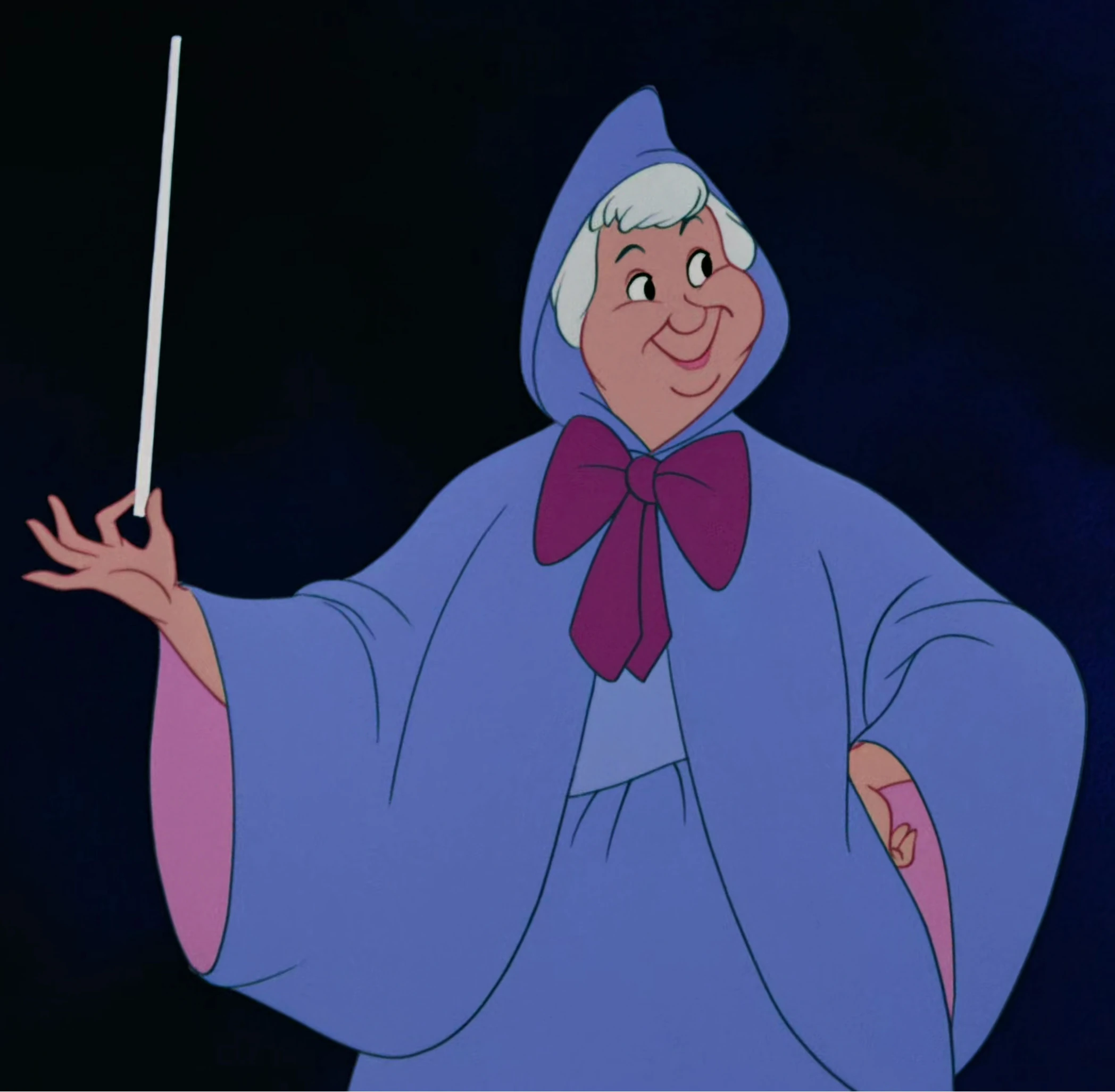
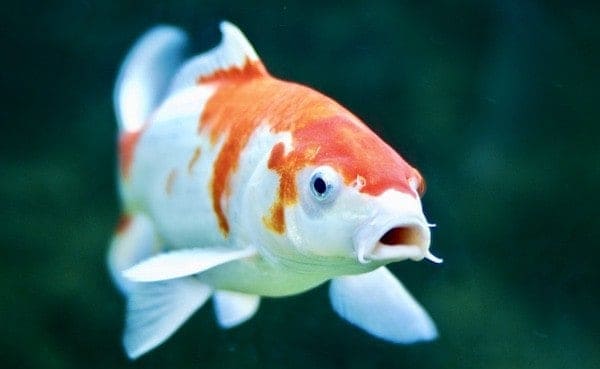
The Fairy Godmother is arguably one of the most important characters in Charles Perrault's Cinderella or the Little Glass Slipper. Without her Cinderella couldn't have gone to the ball and would have never met the prince. She'll probably be still stuck with her stepmother and her stepsisters. But despite how relevant she is, to many people would probably be surprised about how in many stories around the globe there's not a Fairy Godmother in the story at all, or the one who helps Cinderella is not a fairy.
We'll start with those versions in which Cinderella's helper is explicitely a fairy. Or in the case of Achille Millien's
Cinderella (
La Cendrillon), fairies. Millien's Cinderella has to take care of the sheep while she spins the flax. One day while she's spinning her spindle falls and rolls untill it reaches a groot, where Cinderella meets a group of fairies, who invite her to sit with them. Cinderella befriends those fairies, who will help her latter to go to mass when her stepmother doesn't allow her. Another French version with a fairy godmother is Henri Pourrat's
Mary-in-the-Ashes, in which he uses her magic not only to help her go to the mass, but also pick from the ashes the peas enchanted by the heroine's stepmother, that multiple everytime she picks one. From Corsica we got a version collected by Geneviève Massignon called
Genderella, in which our Cinderella is back here to having just one Fairy Godmother, who gives her a magic walnut, a magic hazelnut and a magic almond, from which she takes the dresses after she recites a specific spell her Gomother teaches her. We see again the magic walnut on the northern Italian version
La Sendraroeula, collected by Caterina Pigorini Beri. This time are not fairies the ones who give her the magic walnut, but good witches, alongside a wand with she needs with to strike the walnut, so she can take not only the dresses from it, but also the carriage, the horses and the coachman. Also, this story gives a niece explanation to the "be back before midnight" rule. She needs to return before midnight because everything she takes from the nut will disappear at the exact same hour the witches gave her the nut and the wand, that happens to be midnight.
The helper is not always explicitely a fairy, being in many versions an ambiguous figure, taking the form of an old lady, that we don't know if she's a fairy on disguise or a good witch. Such is the case in Domenico Comparetti's La Cenerentola, the henwife in Jermiah Curtin's Fair, Brown and Trembling or Francesc Maspons i Labrós La ventafochs. In the Appalachian version Ashpet, collected by Richard Chase, the titular heroine is helped by an old woman who lives in a gorge, that Ashpet had to go one time she needed to borrow some fire. Performing acts of kidness is a good way for the heroine to gain the help she needs, like is the case in the Portuguese tale The Hearth-Cat, collected by Zófimo Consiglieri Pedroso, in which despite the heroine already getting the magic wand that will get her the dresses to go not to a ball but to see the horse ride from the stomach of a friendly cow her stepmother got killed, she also gets magical gifts from three fairies after she cleaned up their house; or the case in the Georgian tale collected by Marjory Wardrop Conkiajgharuna the Little Rag Girl, in which after deworming a devi's head the girl is sent to a spring, with whose waters she must wash her hair when those turn golden. In the Japanese Benizara and Kakezara, collected by Seki Keigo, not only the heroine gets a magic box, that everytime she strikes three times she gets what she needs, but also a way to trick the onis in case that in her way back home she encounters them, so they wouldn't wanna eat her.
Sometimes Cinderella's helper takes a male form, like it's the case with the white dwarf that gives her the magic golden wand in the Swabian tale Aschengrittel collected by Ernst Meier. We can find a less kind example in the Danish Pisk-I-Aske, collected by Evald Tang Kristensen, closer to Rumpelstiltskin than to Perrault's Fairy Godmother. Here the titular character is helped by a mysterious grey man, who offers his help in exchange for the children she'll have in the future. Our heroine only accepts because she doesn't believe she's gonna have any children. Sometimes the male helper is more accidental, not being a magical being, but just the girl's father fulfilling his daughter's odd requests, that normally consists in giving her the first thing that hits him on his way back home, as it's the case with Grimm's version, The Three Sisters and O Popelušce, both collected by Božena Němcová, or The Three Pigeons, collected by Pavol Dobšinský. Sometimes the first branch that hits the father on his way back home turns out ot be the magic wand that the heroine will use to get the dresses and go to the ball, like in Antonio Rodríguez Almodóvar's Estrellita de Oro. Or a magic date tree from where maidens will come out and dressed the heroine, like in Giuseppe Pitrè's Gràttula-Beddàttula. In James Bruyn Andrews' Catarina the titular heroine only asks her father to carry greetings to her aunt, and Catarina's aunt does the rest, sending the nut that contains the dress and the almond that contains the magic slippers. More specific is the heroine in Léon Pineau's La Cendrouse, that directly asks for nuts, in spite of being teased by her sisters because of it.
But Cinderella's helper doesn't have to be always an antropomorphic figure. Such was the case with what it's consider one of the first
Cinderella stories ever told,
Ye Xian, in which the titular heroine got the dress and the shoes to go to the festival after praying to his deceased fish friend's bones. A fish is also the heroine's helper in the Russian tale collected by Afanasiev
The Golden Slipper and the Iraqi
The Little Red Fish and the Clog of Gold, but unlike Ye Xian's helper in these versions the fish survives. Other aquatic creatures that we see as Cinderella's helpers are a crab, in Filipino version collected by Dean S. Fansler
Maria and the Golden Slipper, who unfortunately for him suffers the same fate as Ye Xian's fish, getting killed by the heroine's stepfamily and buried by the heroine, to latter keep helping her from the grave; and a frog in the African folktale
The Maiden, the Frog and the Chief's Son, that swallows whole the heroine to latter expel her from his stomach with new clothes. Cows, bulls and calfs are pretty common in folklore too, such is the case with the Scottish
Rushen Coatie, the Norwegian
Katie Woodencloak or the French
The Blue Bull. Birds are also pretty common, with examples like the two pigeons that help Masha in Afanasiev's
Chernushka, the titular
Three Pigeons in the already mentioned Slovak version collected by Dobšinský, the stork that helps Klêting Kunning in the Javanese story
Andé Andé Lumut, or the little bird Verdeli in Vittorio Imbriani's
Cinderella. Between the tales with animal helpers it's worth mentioning the tale from Madagascar collected by Gabriel Ferrand
The Three Princesses and Andria Mohamona, in which our heroine is helped by a cute endearing little mouse. Even magic inanimate objects can fullfil that role, like the titular
Magic Jar in the Egyptian tale collected by Yacoub Artin-Pacha, that will be later included in Joseph Charles Mardrus' translation of
One Thousand and One Nights under the titles
The Tale of the Anklet.
We already mention a couple of version in which Cinderella's helper is dead, but keep on helping her from the grave. Of course we got the magic tree that magically grow from the mother's grave like in the Spanish tale
La fregona, collected by Aurelio Macedonio Espinosa Jr., or the magic hazel tree that grows after Cinderella watered the hazel branch with her own tears like in Grimm's. In the Chinese tale
Beauty and Pock Face, collected by Wolfram Eberhard, the heroine Beauty gets the dress and the horse to go to the theatre after she breaks the vessel that contains the bones of a yellow cow, frustrated because her stepmother won't let her go to the teathre with her stepsister and her. Sometimes that decesead helper is the heroine's own mother that was turned into an animal before her death, like in the Serbian
Pepelyouga, where the heroine is helped by her mother's buried bones, after she was turned into a cow because her daughter accidentally let her spindle fall on a gorge, or the Finnish
The Wonderful Birch, in which the mother is trasformed in a sheep and supplanted by an evil witch, who latter convices the husband to slaughter his own wife without knowing it. The daughter will latter bury her mother's bones, from where the titular magic tree will grow. If you find that disturbing don't worry, because in the Greek
Little Saddleslut they didn't bother to turn the mother into a cow or any other animal before killing and eating her, just because she became too old and too much of a burden to the heroine's eldest sisters. The youngest daughter is the only one who doesn't eat her meat and pays tribute to her after her death.